How to Cut a Cigar | Complete Guide to Cigar Cutters
21 December 2023 by Ellie
Cutting the cap is a crucial step in preparing a cigar for smoking, as it determines the draw and overall smoking experience. There are various types of cigar cutters available, each designed to create a specific type of cut. In this guide to cutting cigars, we’ll explore the different types of cutters, how to use them, and some tips for achieving the perfect cut.
A cigar cutter is a specialised tool designed for one primary purpose: to create an opening in the closed end of a cigar, allowing the smoker to draw air through it when lit. The primary function of a cigar cutter is to provide a clean and precise cut through the cigar’s cap (the sealed end), which is essential for the overall smoking experience.
A well-cut cigar provides an optimal draw, allowing the smoker to inhale air smoothly and evenly. The right cut ensures that the cigar isn’t too tight or too loose, which can affect the burn and flavour. Cutting a cigar properly allows the smoke to pass through the wrapper and binder layers and into the filler tobacco, releasing the cigar’s flavours and aromas gradually as you smoke.
A precise cut minimises the risk of the cigar wrapper unravelling during smoking. A clean cut helps maintain the structural integrity of the cigar.
Types of Cigar Cutters
There are different types of cigar cutters that produce different cuts in your cigar. Some will work for certain formats and sizes better than others, but a lot of the choice will be down to personal preference.
Guillotine Cutter
The guillotine cutter is one of the most popular and versatile cigar cutters. It comes in single and double-blade varieties, with the double-blade offering a cleaner cut. To use, place the cigar’s cap between the blades and gently squeeze, making a straight cut.
As guillotine cutters typically involve placing the cigar through a hole and then slicing off the cap, it is best suited to cigars with a smaller or average ring gauge, as very big cigars may not fit!
V-Cutter
The V-cutter creates a wedge-shaped cut, which can enhance the draw and flavour of some cigars. Position the cigar’s cap into the groove of the V-cutter and make a swift and decisive cut.
V-Cutters are particularly useful for thicker-gauge cigars, as they don’t need to fit into a hole and will provide a decent draw without cutting away a big portion of tobacco!
Punch Cutter
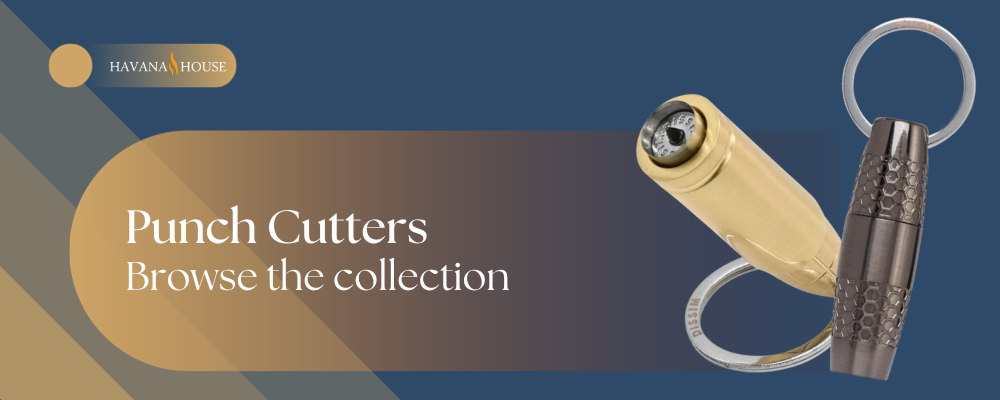
Punch cutters create a small hole in the cap of the cigar. Insert the sharp circular blade into the centre of the cigar cap and rotate to remove a small plug of tobacco.
Typically, a cigar punch will not provide as smooth a draw as using a guillotine or v-cutter; however, some smokers prefer this type of cutter as it reduces the amount of tobacco your mouth will be in direct contact with.
Depending on the size and shape of your cigar, there are three different types of punch cutters: Havana, Bullet and Multi-Punch.
Cigar Scissors
Scissor cutters offer precision and control when cutting cigars. They are similar in use to guillotine cutters but require a more delicate touch.
Choosing the Right Cigar Cutter
Selecting the right cutter depends on personal preference and the cigar type:
Guillotine and V-Cutters: Ideal for most cigar shapes, including parejos (cylindrical) and box-pressed cigars.
Punch Cutters: Suitable for cigars with a smaller ring gauge and those who prefer a concentrated draw.
Scissor Cutters: Best for those who appreciate precision and have experience in cigar cutting.
How to Use a Cigar Cutter
Inspect the Cap: Examine the cigar’s cap to identify the rounded area that seals the cigar. This is the part you will cut.
Prep the Cutter: Ensure your cutter is clean and sharp. Dull blades can damage the cigar’s wrapper.
Choose Your Cut: Decide on the type of cut you want based on your cutter type and personal preference.
Position the Cigar: Hold the cigar firmly and position the cap inside the cutter as required (e.g., between the blades, in the V-cutter groove, or at the centre of the punch cutter).
Make the Cut: Execute a swift, clean cut without applying excessive force. Avoid sawing or twisting the cigar, as this can lead to a messy cut.
Inspect the Result: Examine the cut end of the cigar to ensure it’s clean and even. If necessary, trim a bit more to achieve the desired draw.
How to Use a Cigar Punch Cutter
Using a cigar punch cutter is a straightforward process that creates a small hole in the cap of the cigar. This method is preferred by some cigar enthusiasts because it concentrates the draw and can enhance the cigar’s flavour. Here’s how to use a cigar punch cutter effectively:
Open the punch cutter so that the blade is revealed. Depending on the design, this might be a twist, button or cover.
Place the bladed end of the cigar punch against the cap of the cigar, making sure it is properly centralised.
Holding the cigar firmly, gently twist the cigar punch using light pressure. Once the cigar cap has been pierced, insert the punch a little deeper. Avoid using too much pressure, as this can cause the cap to unravel.
Carefully remove the punch cutter, and you should see a portion of the cap cut out.
Remove the excess from the punch cutter so it is clean for the next time you use it.
How To Use a V Cut Cigar Cutter
Using a V-cut cigar cutter is a straightforward process that creates a wedge-shaped cut in the cap of the cigar. This type of cut is known for concentrating the draw and can enhance the cigar’s flavour. Here’s how to use a V-cut cigar cutter effectively:
Open the V-cutter by sliding it. A hole should appear in the centre of the cutter.
Place the cap of the cigar into this hole.
Holding the cigar straight and firm, press the blade closed to make the cut. A v-shaped groove should appear in the cap of your cigar.
Can I Cut a Torpedo Cigar With a V Cutter?
Yes, you can cut a torpedo cigar with a V-cutter. Torpedo cigars, which have a pointed or tapered cap, can be effectively cut with a V-cutter, just like other cigar shapes. However, there are a few considerations to keep in mind when using a V-cutter for torpedo cigars.
When using a V-cutter on a torpedo cigar, be sure to align the groove of the cutter with the cigar’s cap. Ensure that the cap sits snugly against the V-cutter groove for a clean and effective cut.
Pay attention to the depth of your cut. A V-cut on a torpedo cigar should typically go deep enough to create an opening that allows for an adequate draw but not so deep that it compromises the structural integrity of the pointed cap.
Apply gentle, even pressure when making the cut with the V-cutter. Avoid forcing or squeezing too hard, as this can damage the cigar. After making the cut, inspect the V-cut opening to ensure it’s clean and free of any loose tobacco. Make any necessary adjustments if the cut is too shallow.
Using a V-cutter on a torpedo cigar can provide a focused draw and enhance the smoking experience, as it concentrates the smoke through the narrowed opening. As with any cutting method, it’s essential to be careful and precise to avoid damaging the cigar’s wrapper and cap. Experiment with your V-cutter to find the ideal depth and angle that suits your taste for torpedo cigars.
Tips for a Perfect Cut on Your Cigar
Always use a sharp cutter to prevent damaging the cigar.
Cut the cigar just before you intend to smoke it to keep it fresh.
Be mindful of the cap’s placement in the cutter to ensure an even cut.
Experiment with different cuts to find what suits your taste best.
If you’re new to cigars, start with a guillotine cutter for simplicity.
Remember that the perfect cut can vary from one cigar to another, and personal preference plays a significant role in your choice of cutter and cut style. With practice, you’ll become more skilled at selecting the right cutter and achieving the ideal cut for your cigars, enhancing your overall smoking experience.
How to Cut a Cigar Without a Cutter
Cutting a cigar without a cutter can be a bit challenging, but it’s possible in a pinch using some alternative methods. We wouldn’t recommend using any of these over a cigar cutter, but if you’re desperate, here are a few methods you can try:
Using Your Fingernail to Cut a Cigar
Gently pinch the cap between your thumbnail and forefinger.
Slowly and carefully make a small, circular cut by twisting your thumbnail into the cap.
Gradually increase the pressure until you create a small hole. Be cautious not to tear the wrapper.
Biting the Cap of the Cigar
Use your teeth to bite off the cap, but do this very gently.
Only remove a small portion to create a hole for drawing. Be cautious not to damage the wrapper.
Sharp Object to Cut the Cigar Cap
If you have access to a sharp object like a knife or a key, you can use it to make a small cut.
Place the edge of the sharp object against the cap and gently twist or rotate it to create a hole. Again, be very careful not to tear the wrapper or damage the cigar.
Poking with a Pen or Pencil
Find a pen, pencil, or similarly shaped object.
Insert the pen or pencil into the centre of the cap to create a small hole.
While these methods can help you enjoy a cigar without a proper cutter, they are not as precise as using a dedicated cutter. Be careful not to damage the cigar’s wrapper or cause it to unravel. Additionally, these methods may not work well with all cigar types, especially those with thicker caps or complex shapes. If you’re an avid cigar smoker, investing in a quality cigar cutter is recommended for a more consistent and enjoyable smoking experience.
Can You Bring a Cigar Cutter on a Plane?
Yes, you can bring a cigar cutter on a plane, but there are some important considerations to keep in mind to ensure a smooth and hassle-free experience when travelling with one. Most cigar cutters should fall within the length restrictions for sharp objects within carry-on luggage. In the UK, small scissors (with blades no longer than 6cm) and nail clippers are allowed on planes in your hand luggage, and cigar cutters are similar formats to these.
To reduce the risk of any complications at security checkpoints, consider using a single-blade guillotine cutter or a punch cutter, as they are less likely to raise concerns than double-blade guillotine cutters, which can appear more like a potential weapon.
You have the option to either place your cigar cutter in your checked luggage or carry it in your carry-on bag. It’s generally recommended to put it in your checked luggage if you have it, to avoid any potential issues at security checkpoints.
If you’re travelling internationally, it’s a good idea to check the specific regulations of the country you’re visiting regarding cigar cutters and sharp objects. Regulations can vary from one country to another, so it’s essential to be aware of any restrictions.
If you’re carrying cigars as well, consider investing in a travel humidor, which can help protect your cigars and keep them in good condition during your travels.
Are Expensive Cigar Cutters Worth It?
The worth of an expensive cigar cutter, like many other cigar accessories, ultimately depends on your personal preferences and priorities. Here are some factors to consider when deciding whether an expensive cigar cutter is worth it for you:
Quality Cigar Cutters
Expensive cigar cutters are often made with higher-quality materials and craftsmanship. They may use premium metals, have sharper blades, and offer better overall construction. If you appreciate well-made tools and want something that will last, an expensive cutter may be worth it.
Precise Cigar Cutters
High-end cigar cutters typically provide a more precise and clean cut. This precision can enhance the overall smoking experience by ensuring an even draw and preventing damage to the cigar wrapper.
Aesthetic Cigar Cutters
Luxury cigar cutters often feature elegant designs and aesthetics. If you value aesthetics and enjoy owning beautifully crafted accessories, an expensive cutter may be worth the investment.
Brand Reputation
Some brands in the cigar industry are well-known for producing high-quality accessories. Investing in a cutter from a reputable brand can provide peace of mind in terms of both performance and durability. Take a look at our Xikar cutters to see some of our favourites.
Frequency of Use
Consider how often you smoke cigars. If you are an occasional smoker, a less expensive cutter may suffice. However, if you are a regular cigar enthusiast, an expensive cutter may be a worthwhile long-term investment.
In conclusion, whether an expensive cigar cutter is worth it depends on your preferences, priorities, and budget. It’s essential to assess what matters most to you in terms of performance, aesthetics, and longevity when making your decision.